
More Than Just a Room: The Benefits of Neighborhood Connection for Those Living with Dementia
As we age, the need for community and purpose becomes even more important. For seniors living in a residential neighborhood, daily activities are often simple. Watching dog walkers, daily visits from the friendly mailman and watering plants in the yard make up daily routines and offer connection.
Being part of a welcoming neighborhood offers opportunities for friendship, shared experiences and everyday support. Those connections are even more important for those living with dementia and their caregivers. This is what makes our ComfortCare Homes special.
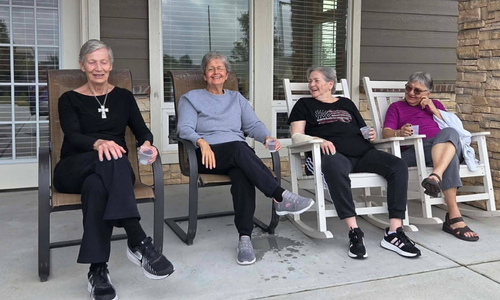
Everyday Opportunities to Connect
Scientific research shows that isolation as we age can be an early warning sign of dementia. It can also be a major contributor. Staying social and active is one of the best preventative measures for the disease. Even those already living with dementia benefit from consistent daily social interactions.
These efforts don’t need to be anything highly organized. Sometimes the best interactions are organic; a smile and a quick conversation while watering plants or greeting a neighbor while on a stroll with the caregiver.
Having people nearby creates chances for regular contact and spur-of-the-moment talks. These can challenge aging brains and help keep neural pathways working longer. Positive social interactions also can stave off depression that can often coincide with dementia.
More Ways to Enjoy the Day
Living in a neighborhood can offer many chances to connect without pressure from being in a public space. This allows those living with dementia the opportunity to feel a part of their community at their comfort level.
Watching kids play at the neighborhood school or talking to neighbors while walking the dog may be great for more physically able and extroverted residents, however, those who are shy, have significant mobility issues or can be overstimulated by too many people, may enjoy watching daily neighborhood happenings from the window or watering and deadheading plants on the patio.

While they are very different levels of engagement, both have value. Accessible gathering places and activities with different levels of participation help make room for a variety of interests and abilities. Whether someone enjoys a lively group or a quiet conversation, meaningful participation can be on the resident’s terms.
When ComfortCare Homes created the neighborhood Home Plus concept 34 years ago, we hoped a smaller, more familiar environment for those living with dementia would lead to better care.
Now we know the positive clinical, social and emotional impact the neighborhood setting has had on our Residents and their families. We are honored to continue this legacy. We will continue to engage the Wichita community to better serve not only our residents, but all of the families living with and caring for individuals with dementia.